A Guide to Latvian Food and Baltic Home Cooking

Table of contents
- What Latvian Food Is Really Like
- First, a Little Geography
- What’s Always in a Latvian Kitchen
- Two Latvian Food Menus to Get You Started
- What a Latvian Dinner Actually Looks Like
- The Baltic Breakfast
- The Aukstais Galds (Literally, the Cold Table)
- Baltic Baking and Why It’s Not Too Sweet
- Pīrāgi (Latvian Bacon Buns)
- What’s Here and What’s Coming
What Latvian Food Is Really Like
Latvian food is farmhouse cooking at heart. Simple ingredients, most of them grown, caught, or made close to home: fresh vegetables and berries, plenty of dairy, plenty of fish. Potatoes at almost every meal. Dill in almost everything else. Desserts are sweet, just not too sweet, so you still taste the fruit and the cottage cheese.
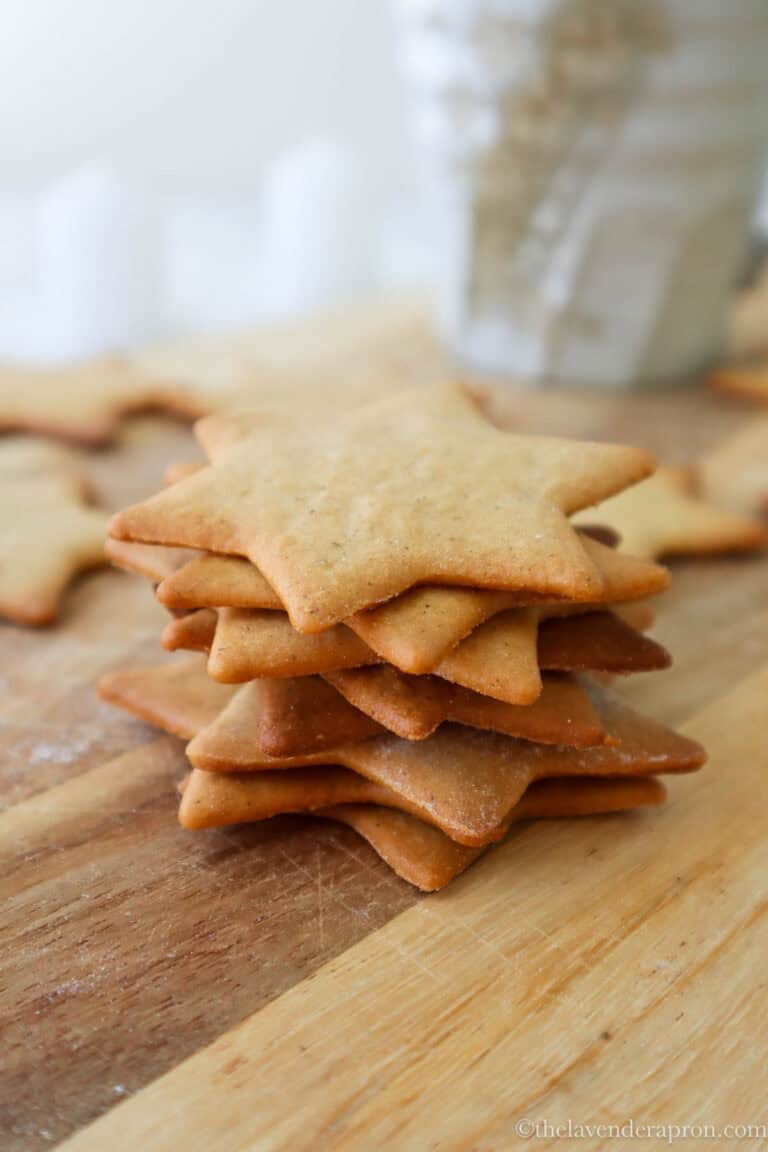
This is where I keep the recipes I grew up with, from my grandmother’s red radish salad with sour cream to piparkūkas, the thin spiced cookies that fill every Latvian kitchen in December. Most come straight from my family table.
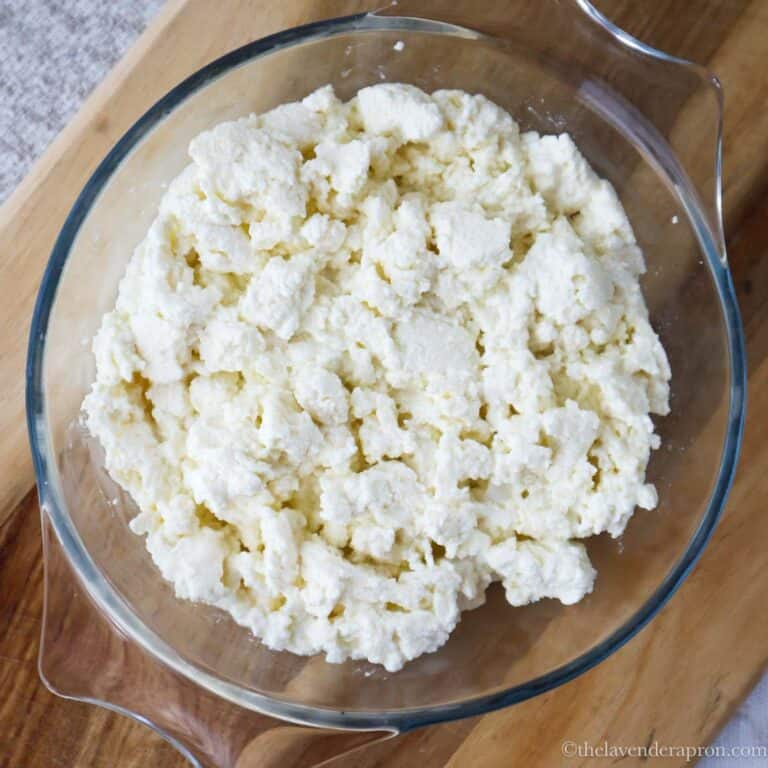
A few are Baltic in spirit rather than strictly traditional. My cottage cheese frosting is one of those. Biezpiens (Latvian cottage cheese) has always been a cake filling in Latvia. I just added a little cream cheese so it holds up as a proper frosting.
You can read more about my Latvian roots and years in France on my About page.
First, a Little Geography

Latvia sits between Estonia to the north and Lithuania to the south, with the Baltic Sea to the west. Latvia itself has just under 2 million people. Estonia and Lithuania together add another 4 million or so. The whole region is smaller than many single cities, which helps explain why the food is so little known outside it.
All three countries cook with similar ingredients: dark rye bread, fermented dairy, smoked fish, potatoes, beets, dill, open-faced sandwiches. Go further north into Finland and you find the same thing. Not much spice, dairy everywhere, preserved everything. When you know the geography, the food makes complete sense. Short growing seasons, long winters, not a lot of options.
Latvia is what I know from the inside. The food, the language, the Saturday school. I grew up completely Latvian. The Latvian recipes here are mostly from my own family table, with some that feel at home across the whole region. As the site grows I’ll add more. If French home cooking is more your starting point, The French Table is a good place to begin. For a broader look at Latvian food culture, the official Latvia tourism site is worth a visit.
What’s Always in a Latvian Kitchen
Rye bread. Rupjmaize is not a side dish in Latvia. It’s a staple in the way rice is a staple in Japan, with over a thousand years behind it. Dense, dark, slightly sour. The old saying goes: while there is rye bread on the table, no one will go hungry. It’s eaten at every meal and never wasted. If it goes stale, you make rupjmaizes kārtojums, the layered rye bread dessert with berries and cream that is the Baltic answer to a trifle, or simply toast the crumbs in butter and garlic for a salad topping.
Dairy. Latvia is dairy country. You’ll always find biezpiens, sour cream, kefir, and soured milk (rūgušpiens) in a Latvian fridge. Not bought for a specific recipe. Just there, like it’s part of the furniture. My grandmother always had a tub of rūgušpiens she picked up from the Polish shop. My fridge looks exactly the same, especially nowadays, when even in rural Australia I can buy a few different varieties of kefir and cottage cheese!
Pickles and fermented things. Fermentation is everywhere in Baltic cooking, though Latvians wouldn’t call it that. It’s just how food has always been kept and made. Pickled cucumbers, sauerkraut, kefir, soured milk. I make my own sauerkraut with dill at home. It’s way cheaper and tastes brilliant.
Dill. Dill and chives are not garnishes here. Latvians use a lot of dill. Like, a serious amount. Fresh or dried, usually added at the end. Soups, salads, potatoes, fish, eggs, cottage cheese. If it’s savory and Baltic, there’s a 99% chance it has dill in it.
Potatoes. Potatoes are the second bread. That’s not a figure of speech. Latvians actually call them that (otrā maize). Boiled, usually, with butter and dill or chives or parsley. Sometimes fried the next day in the pan with a little bacon. They are always there. Pretty much every single meal. Kind of like baguettes being always present at meals in France.
Hemp seeds. Kaņepes have been part of Latvian cooking for centuries, which I love telling people because the reaction is always brilliant. Hemp butter, ground roasted hemp seeds mixed with butter or oil, is a traditional spread on rye bread. It’s delicious. They were hard to find in Australia until recently. For now I mostly use them scattered over salads or in this hemp seed smoothie. Hemp butter recipe coming soon!
Two Latvian Food Menus to Get You Started
A Baltic Breakfast
This is what a typical Baltic breakfast looks like in our house.
- Dark rye bread with butter or cottage cheese, sour cream, chives
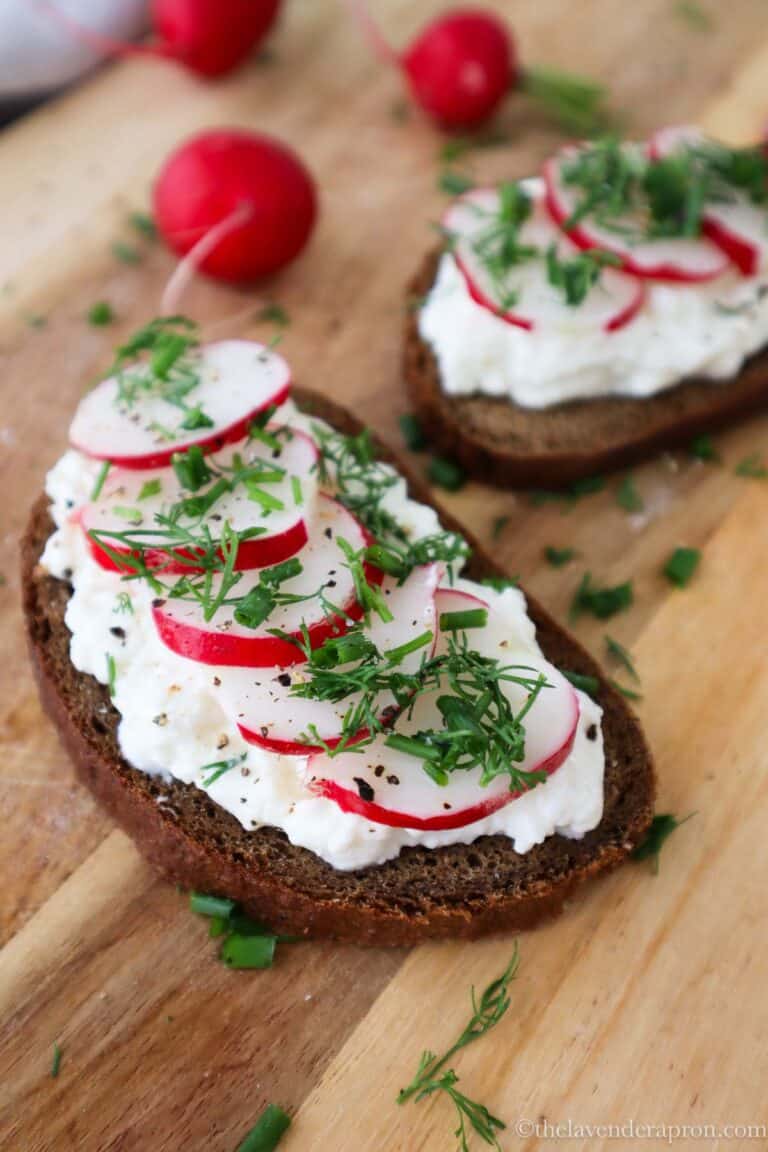
- Open-faced cottage cheese and radish sandwich or smoked fish on rye
- Grated carrot salad with lemon vinaigrette and red cabbage salad with dill
- Boiled eggs
A Latvian Weeknight Dinner
And a classic Latvian weeknight dinner: simple and comforting.
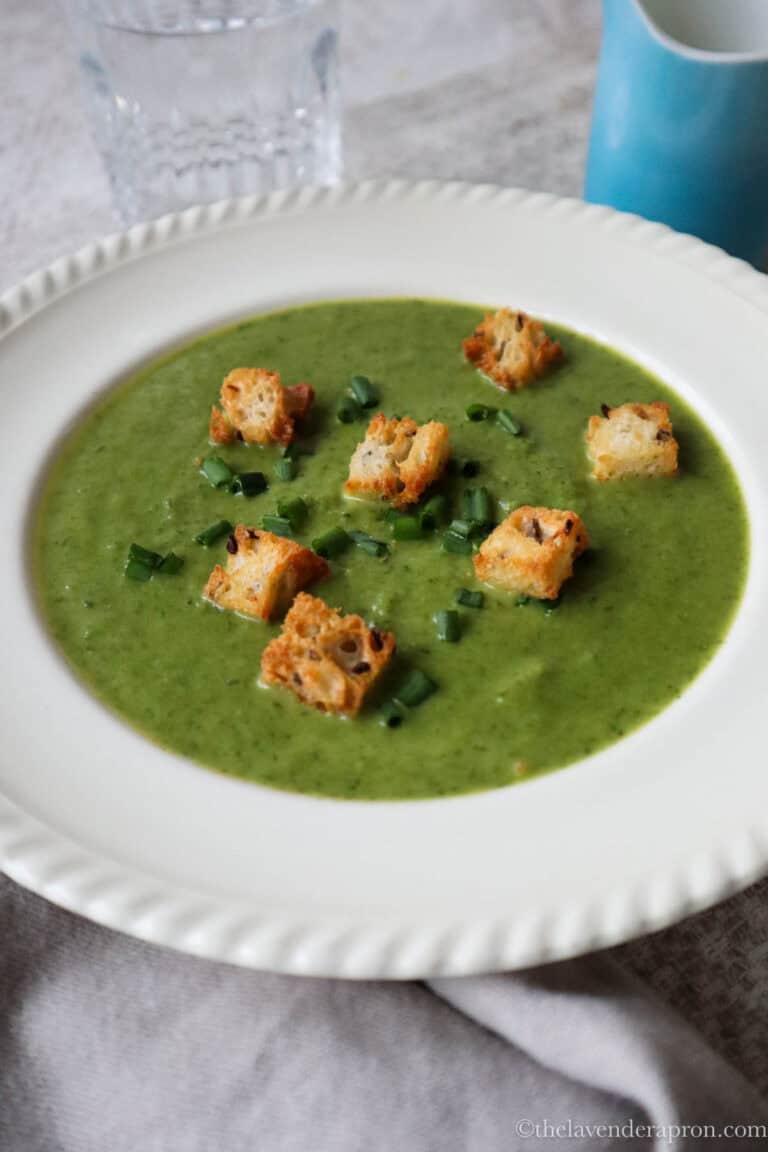
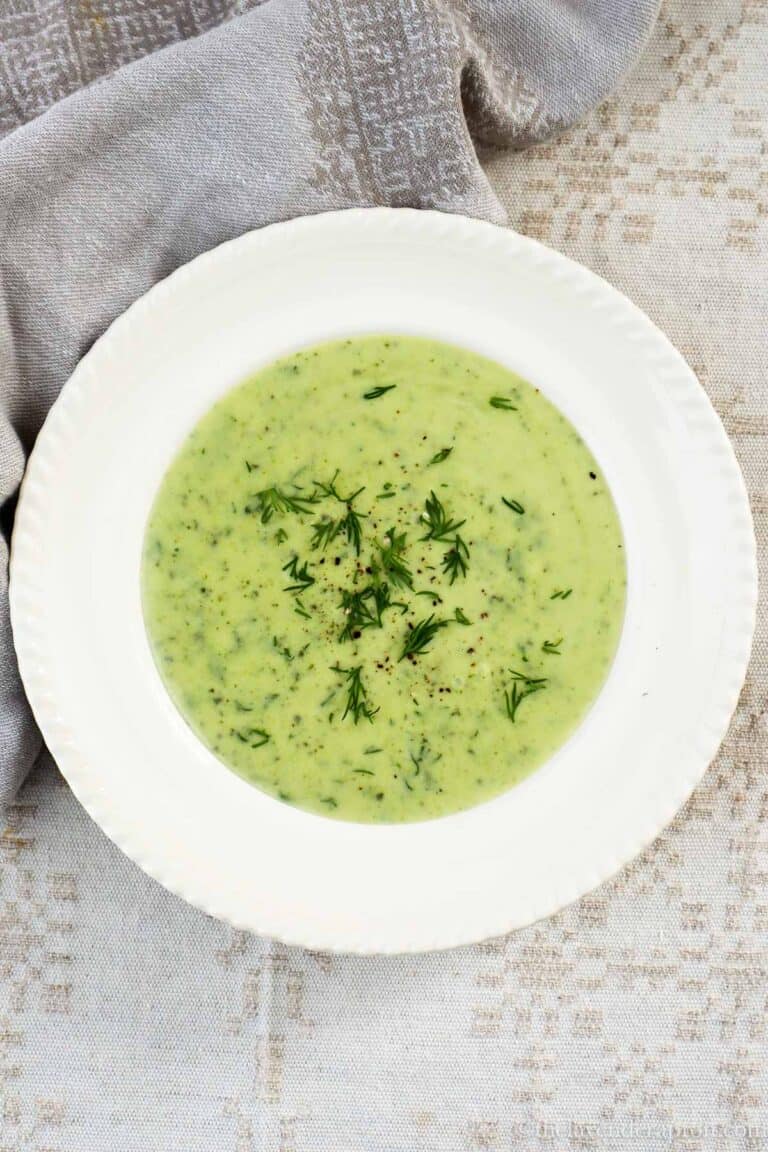
- Zucchini soup with fresh dill to start, or skip it
- Kotletes (pan-fried minced meat patties with onion, egg, and soaked bread) with boiled potatoes and butter and dill
- Sliced cucumber with sour cream and dill
- Rye bread with butter
- Kefir or milk to drink
What a Latvian Dinner Actually Looks Like

The classic Latvian dishes on a weeknight table are simple and filling. The main is usually kotletes, karbonāde (Latvia’s answer to schnitzel), roast chicken, or fish. There are always potatoes, usually boiled, and something fresh, tangy or crunchy on the side, like a simple tomato and cucumber salad or sautéed sauerkraut (štovēti kāposti). Sour cream and rye bread are on the table too.
Karbonāde is traditionally served with a chanterelle mushroom sauce. That recipe is coming. Chanterelles are the mushroom Latvians reach for first, picked from the forest in late summer and early autumn.
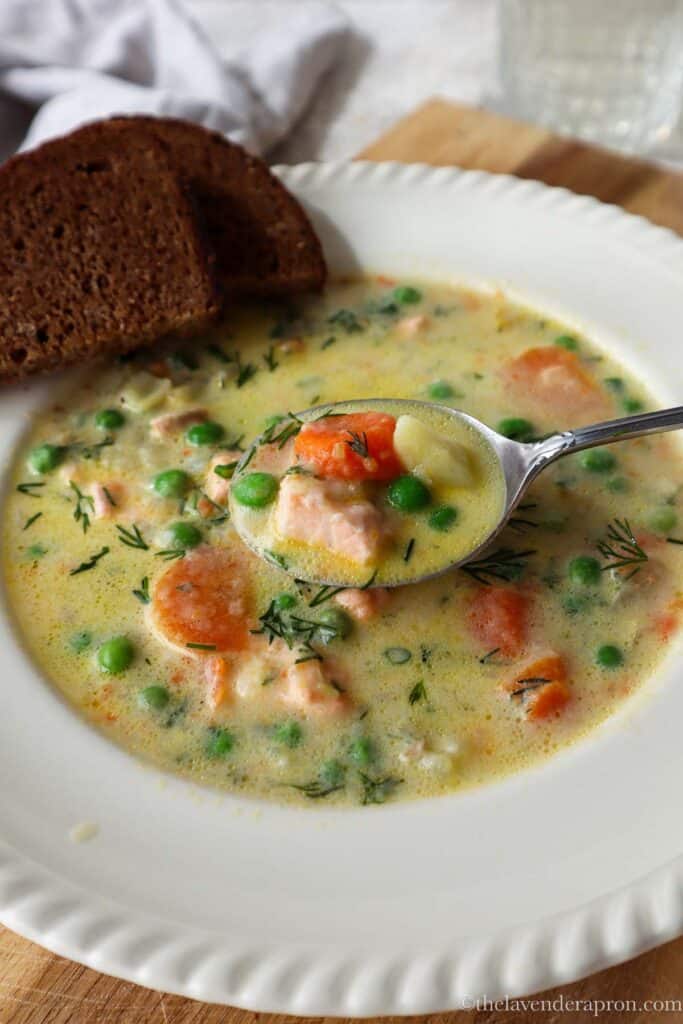
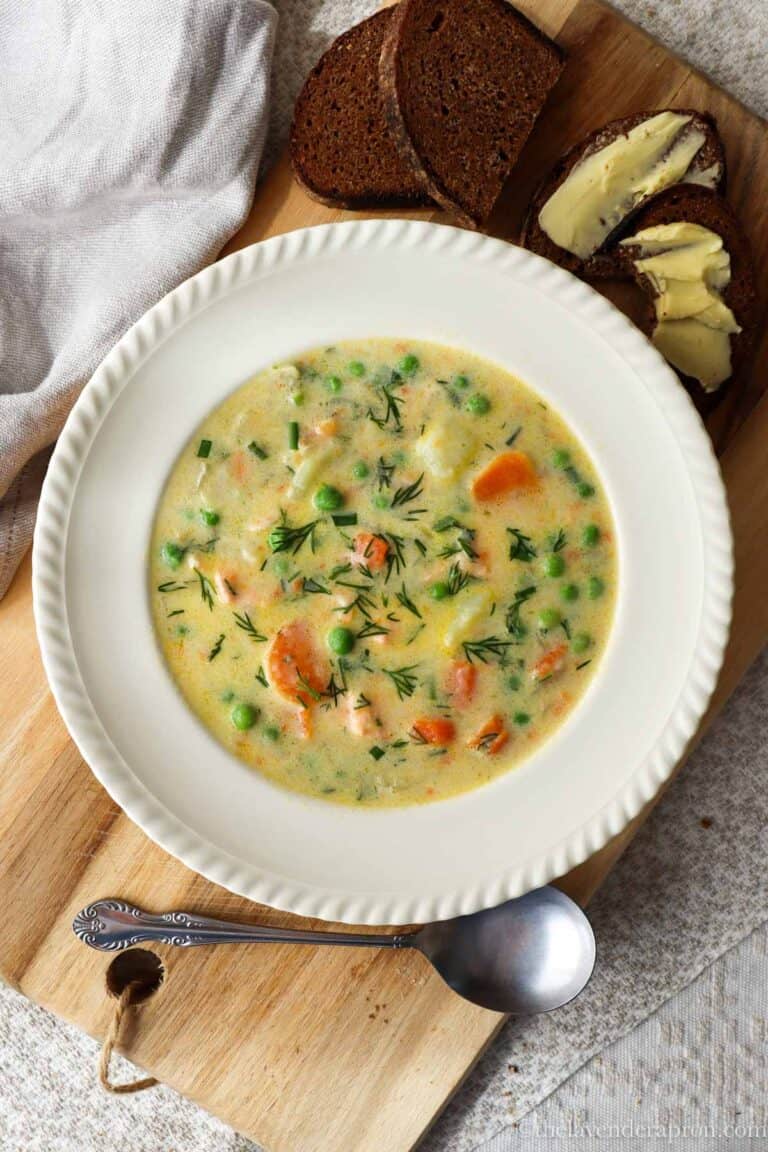
Soup appears often too, usually as the whole meal rather than a starter. A bowl of frikadeļu zupa (meatball soup with vegetables and broth) or a hearty salmon soup (zivju zupa) in winter, or skābeņu zupa (sorrel soup) in spring, or a cold pink bowl of aukstā zupa made from kefir, beets, cucumbers, and hard-boiled eggs in summer. Cold beet soup sounds odd, I know, but really, it’s very good. Or, later in summer you can try this zucchini soup with more dill.
The Baltic Breakfast
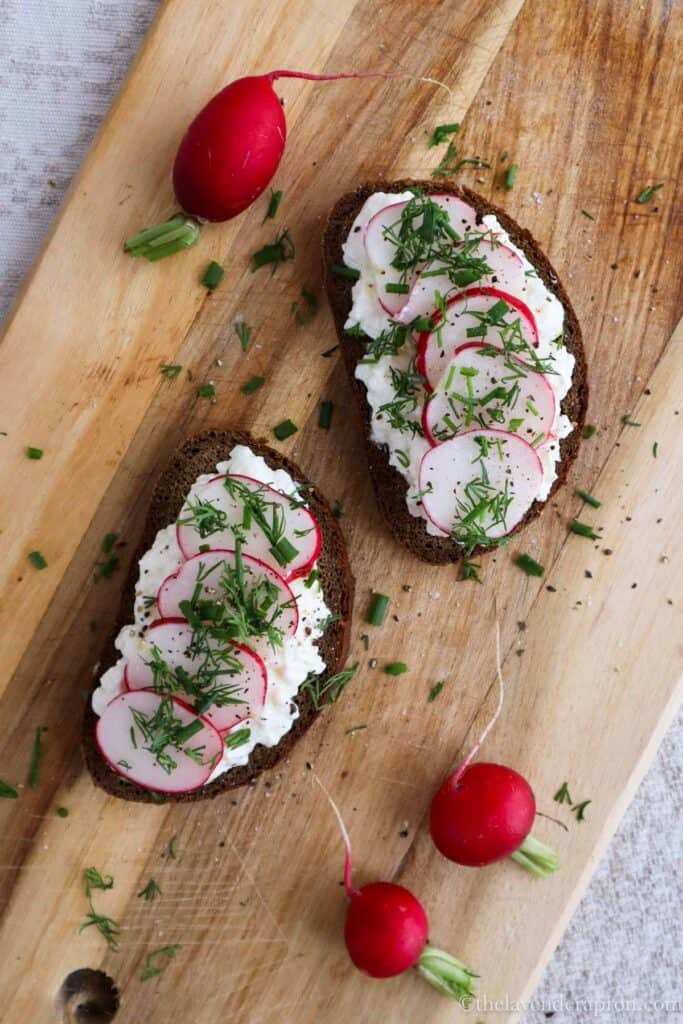
A Baltic breakfast is one of my favorite things to talk about, because people never expect it.
The savory side is what surprises people. An open-faced sandwich on dark rye bread (rupjmaize) or the slightly sweeter saldskābmaize, spread with butter or cottage cheese, topped with smoked fish, sardines, sliced cucumber, radish, tomato, a hard-boiled egg, or spring onions. And yup, you guessed it, always with dill. Alongside it, a small bowl of grated carrot with lemon and dill, or sliced cucumbers with vinegar and chives. Yes, salads at breakfast. This is completely normal in a Latvian household.
The sweet side starts with porridge. I mostly do oats and semolina, though barley and buckwheat are traditional too. Biezpiena pankūkas (cottage cheese pancakes, lighter and tangier than regular pancakes, served with sour cream or jam) also belong here. Overnight oats are basically the same thing, just made the night before and a little more fancy. The maple overnight oats and applesauce overnight oats are a good place to start. 😊
The Aukstais Galds (Literally, the Cold Table)
For Christmas, Jāņi (Midsummer), name days, and any celebration worth celebrating, the table expands into what Latvians call the aukstais galds, the cold table. Think Latvia’s version of the Scandinavian smörgåsbord, and just as good. A full spread of open-faced sandwiches, salads, pīrāgi, smoked fish, rasols (the classic Latvian potato salad with mayo, pickles, and eggs), and galerts (pork in aspic, a traditional Christmas dish). All the best things, all on the table at once.
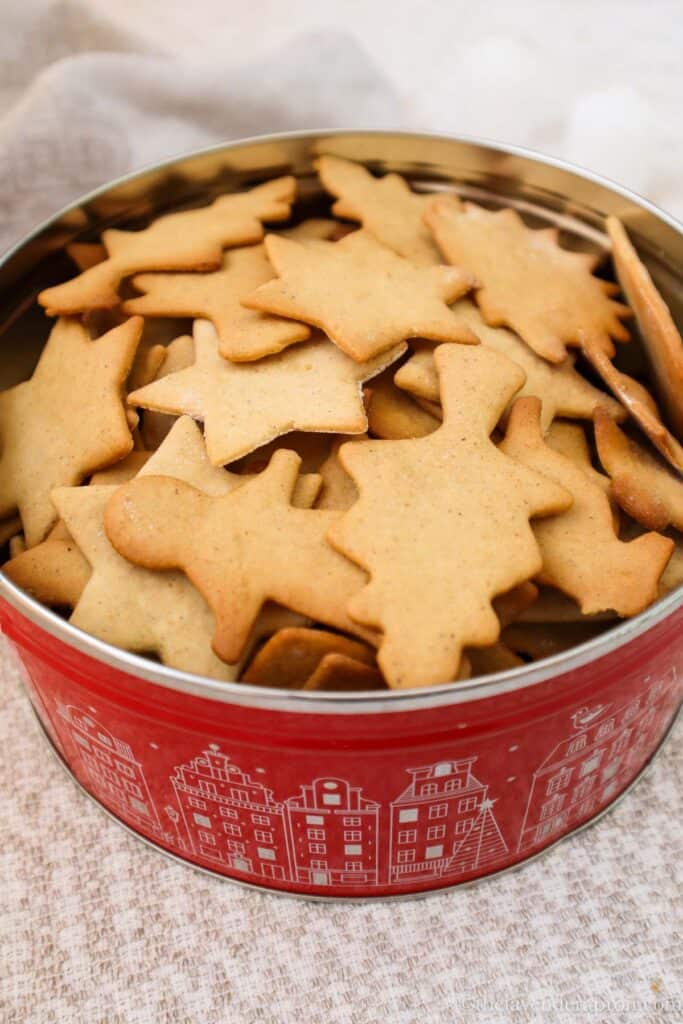
At Christmas everyone always bakes piparkūkas, the Latvian gingerbread cookie, and, in my family, we also ate a slice or two of Latvian cottage cheese cake and Aleksandra kūka (cake).
Baltic Baking and Why It’s Not Too Sweet
If you’ve read the French Table, you’ll know I have a thing about not-too-sweet baking. Latvian cooking takes it even further, especially when it comes to desserts.
Latvian baking uses a lot of berries and fruit. Some you’ll know well: strawberries, raspberries, blueberries, cranberries, apples. Others are more distinctly Baltic: lingonberries (brūklenes), bilberries (mellenes), red currants. Most lean tart rather than sweet, which is part of why Baltic baking tastes the way it does. I use lingonberry jam (from Ikea) a lot, sometimes stirred through cream cheese as a frosting. That tartness is everything.
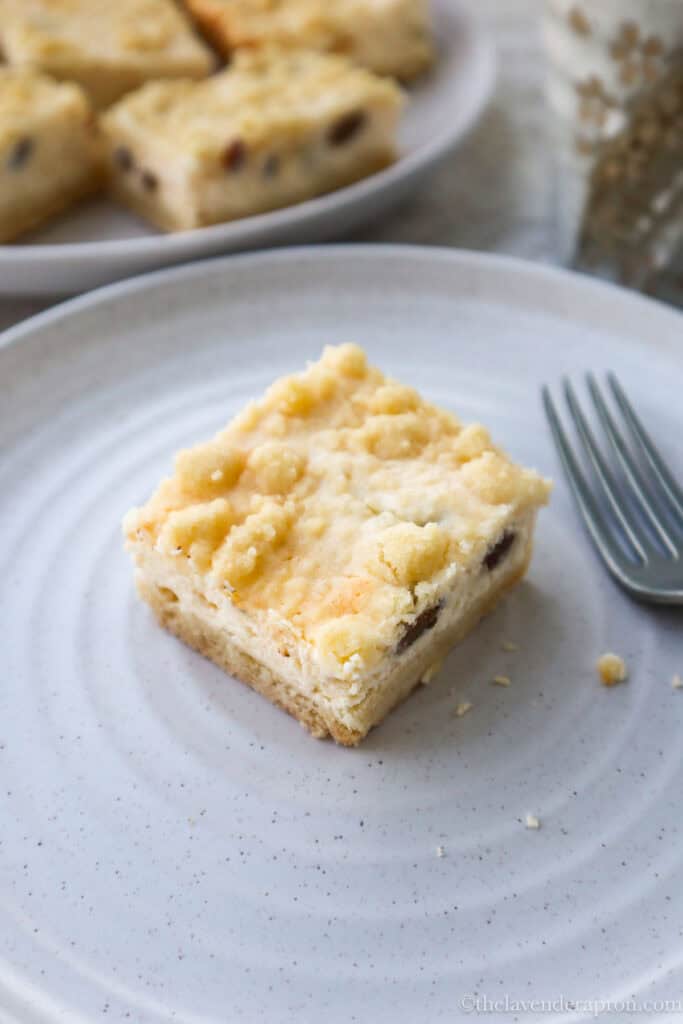
You’ll find cottage cheese (biezpiens) and sour cream in a lot of Latvian baking. In the dough, in fillings, between cake layers. They add creaminess and a slight tang, and the result is lighter than you’d expect. Biezpienmaize is the Latvian cottage cheese cake, dense and lightly sweet. It’s completely different from an American cheesecake. And biezpiena cepumi are cottage cheese cookies, simple and good with tea or coffee.
Magoņmaizītes are soft poppy seed rolls with a sweetened poppy seed filling. They are one of my favorites. Ķimeņmaizītes are the same roll made with caraway, and are more savory, perfect alongside soup or with butter.
Baltic desserts use less sugar than you might expect, but it means you actually taste all the other ingredients. You taste the berries, the poppy seeds, the cottage cheese. The sugar is there, it’s just not the whole point.
Pīrāgi (Latvian Bacon Buns)
No page about Latvian food is complete without speķa pīrāgi: small crescent-shaped buns filled with finely diced streaky bacon and onion, pinched shut and baked until golden. Every Latvian has grown up eating them. The filling must be bacon and onion. That’s non-negotiable. 😊 It steams inside the dough as the buns bake, making them rich and savory and very hard to eat just one. My family’s pīrāgi recipe is coming soon!
What’s Here and What’s Coming
Already published
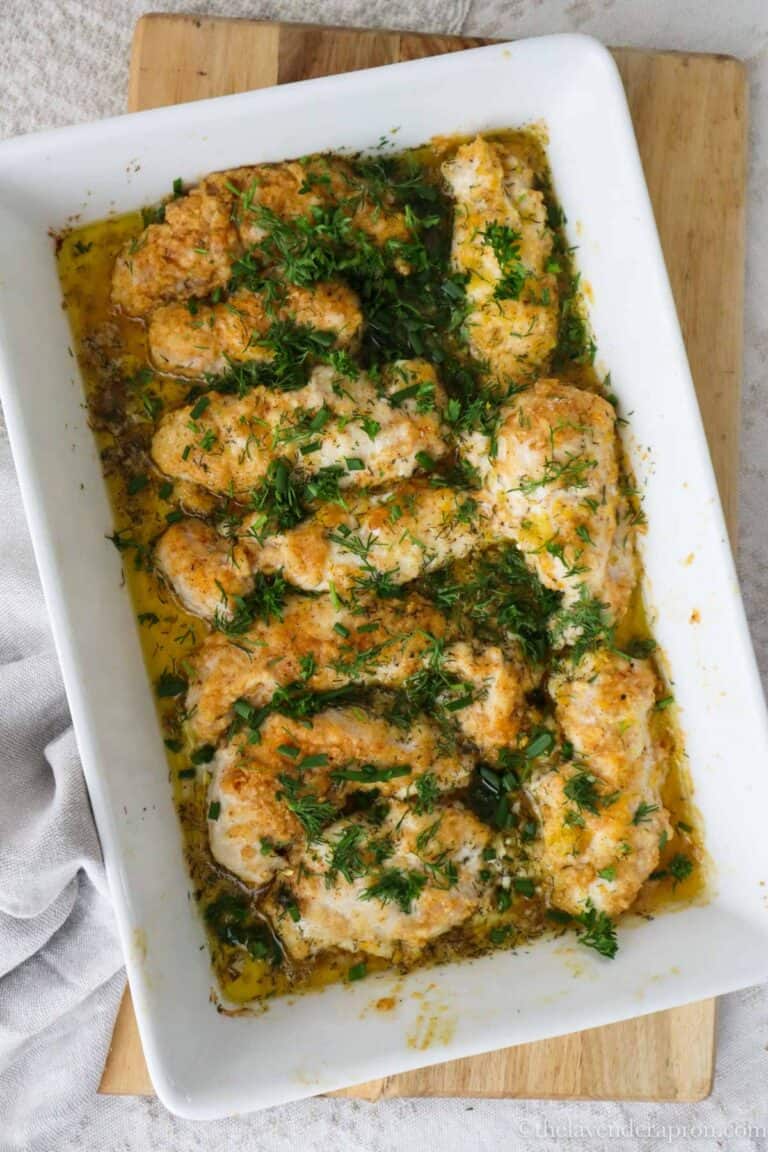
Mains and sides: traditional Latvian kotletes, baked chicken tenderloins with lemon and dill, cottage cheese mashed potatoes
Soups: creamy salmon soup (zivju zupa), asparagus soup with fresh dill, creamy zucchini dill soup, roasted pumpkin and cauliflower soup
Salads: grandmother’s red radish salad with sour cream and dill, creamy cucumber salad with dill, cucumber beet salad with lemon dill dressing, simple red cabbage salad, French carrot salad with seeds
The Baltic breakfast: cottage cheese and radish sandwich, cottage cheese avocado toast, salmon cream cheese toasts, avocado cottage cheese dip, mild chicken liver pâté
Overnight oats: maple, applesauce, chocolate raspberry, cinnamon roll
Latvian baking: piparkūkas (Latvian gingerbread cookies), Latvian cottage cheese cake (biezpienmaize), Latvian cottage cheese cookies (biezpiena cepumi)
More with cottage cheese: blueberry cottage cheese muffins, banana cottage cheese muffins, cottage cheese frosting
Drinks: hemp seed smoothie, chamomile honey lemonade
Coming soon
Pīrāgi, karbonāde, chanterelle mushroom sauce, hemp butter, sorrel soup, cold beet soup, garlic rye bread sticks, Kārums curd snack.
Browse all Latvian food recipes and Baltic dishes in the Baltic recipe category.