About Marissa

European home cooking for everyday kitchens
Hi, I’m Marissa Valette. I’m so glad you found your way here.
I’m the cook, photographer, and writer behind The Lavender Apron. I grew up in a Latvian household where the kitchen was always busy, spent fifteen years living in France, and now cook every day in rural Australia for my French husband and four kids.
This blog is where I share the recipes that actually live in my kitchen: French classics, Latvian family dishes, European home cooking from other corners of the continent, and desserts that taste of fruit and chocolate rather than just sugar. Nothing fancy. Just really good food. 🙂
A Bit About Me
I moved to France for what was meant to be a short stay. Fifteen years later, I was still there 🙂
My French mother-in-law showed me how French people actually eat: one small course after another, not everything on the table at once. Something simple to start, the main, a small salad after (always after, not before), sometimes cheese, and a dessert that highlights fruit rather than sugar. My husband says he simply cannot eat in any other order. Fifteen years in France and I completely understand.
The market vendors taught me more than any cookbook. I once bought oyster mushrooms near Strasbourg Cathedral without knowing what they were. The vendor talked me through his method, and it’s still the way I make them today. (I didn’t tell him I had no idea what I was holding.)
You can read more about the French way of eating on The French Table.

My Latvian Roots
Growing up, everything in our house was Latvian. The language, the food, the Saturday school, holidays and celebrations, the lot.
My grandmother grated radishes by hand for a simple radish and sour cream salad that everyone loved. It was slow. She didn’t mind. Today I use a food processor. She would probably have something to say about that.
In Latvia, potatoes are called otrā maize, the second bread. That tells you everything about how seriously they take rye bread.
The Baltic breakfast table is one of my favorite things to write about, partly because good information about it in English is hard to find. Open-faced rye bread with cottage cheese, smoked fish, a small cucumber salad, oat porridge. Sometimes sweet and savory on the same table, which sounds odd until you try it.
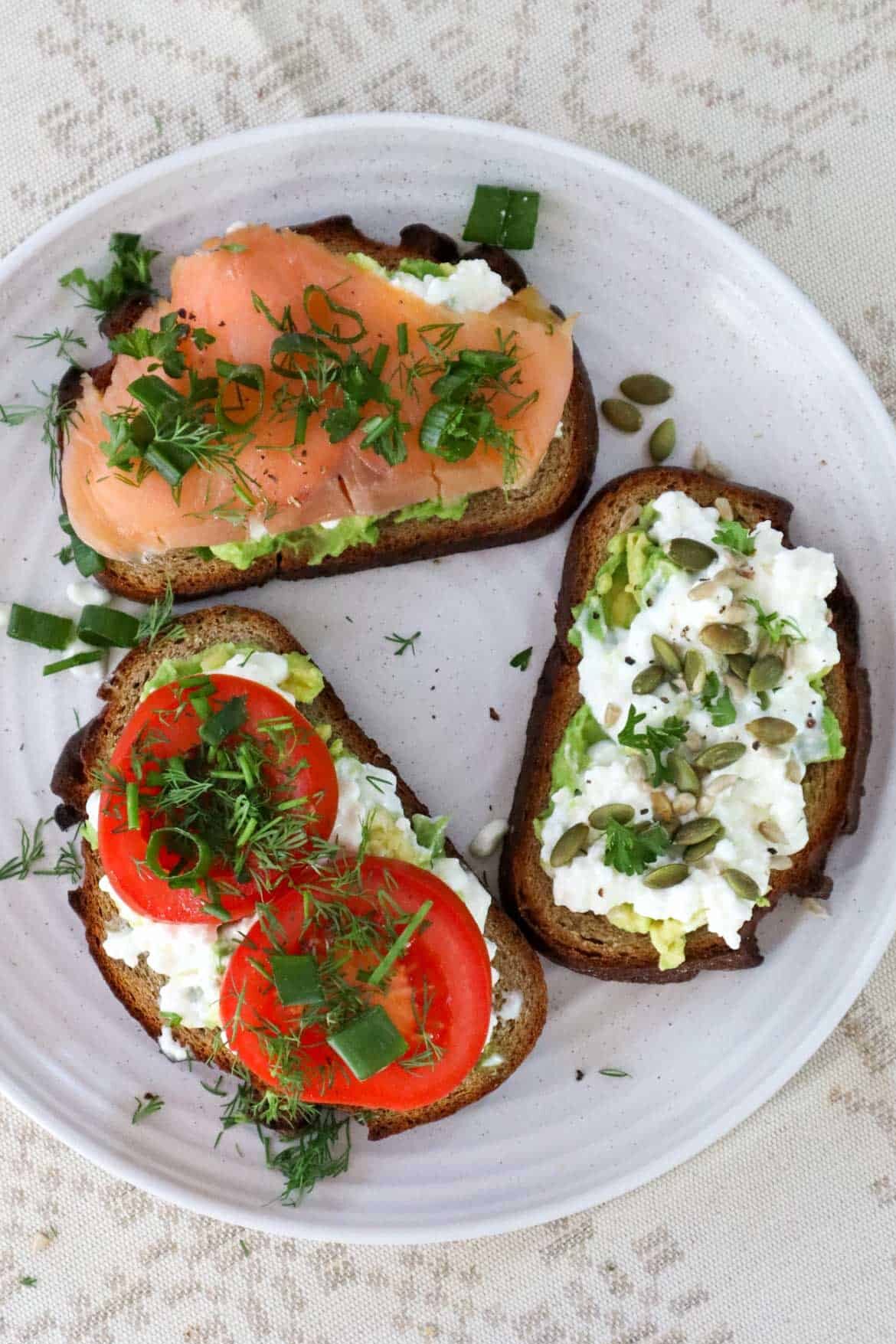
Cottage cheese (biezpiens) turns up everywhere in Baltic cooking, on bread at breakfast, in baking, as a frosting. Not a diet food. Just an ingredient. You’ll see it in things like Latvian Cottage cheese cake (Biezpienmaize), Baltic cottage cheese cookies (Biezpiena Cepumi), cottage cheese avocado toast and blueberry muffins here.
More on the food and traditions at The Baltic Table.
A Real Home Kitchen
Today, home is rural Australia. My French husband, four kids, a garden that needs constant attention, and a beehive that produces more honey than we know what to do with. We grow plums, cherries, mandarins, red currants, pomegranates. In summer the kitchen smells of whatever came off the tree that morning.
When we first moved here, good cheese was hard to find and I had to order tinned chestnuts online. I learned to make my own crème fraîche out of necessity. Still do, actually. Old habits.
I hold a Certificate in Plant-Based Pâtisserie from Le Cordon Bleu Online, which is where I learned the technical “why” behind baking. The instinctive “what” I already knew. My grandmother and my mother-in-law had been teaching me for years. You can read more about how I develop and test recipes here.
The “A Little Something Special”
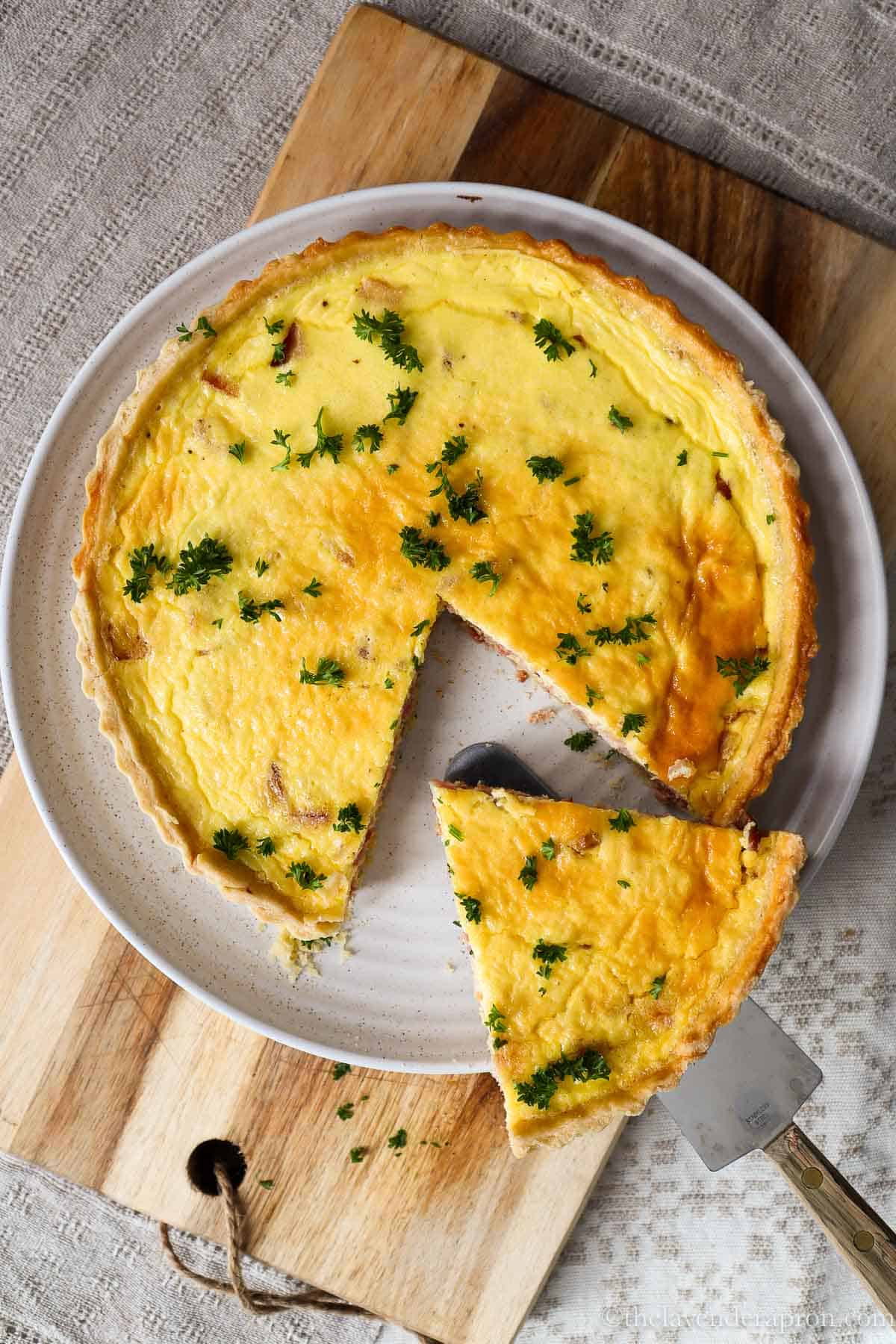
The small detail that makes an everyday dish feel a little bit special. Chestnuts in a roast chicken instead of just potatoes. Proper crème fraîche in a French quiche so it sets with the right wobble. Roasted seeds scattered over a carrot salad. A pinch of nutmeg you don’t see coming.
Nothing tricky. Just the touches that make food taste like someone really thought about it. And honestly, that’s everything.
What You Will Find Here
French home cooking: the weeknight meals that actually get cooked in French kitchens. Quiche Lorraine, roast chicken with chestnuts, simple soups, lots of veggie salads. The French Table has the full picture.
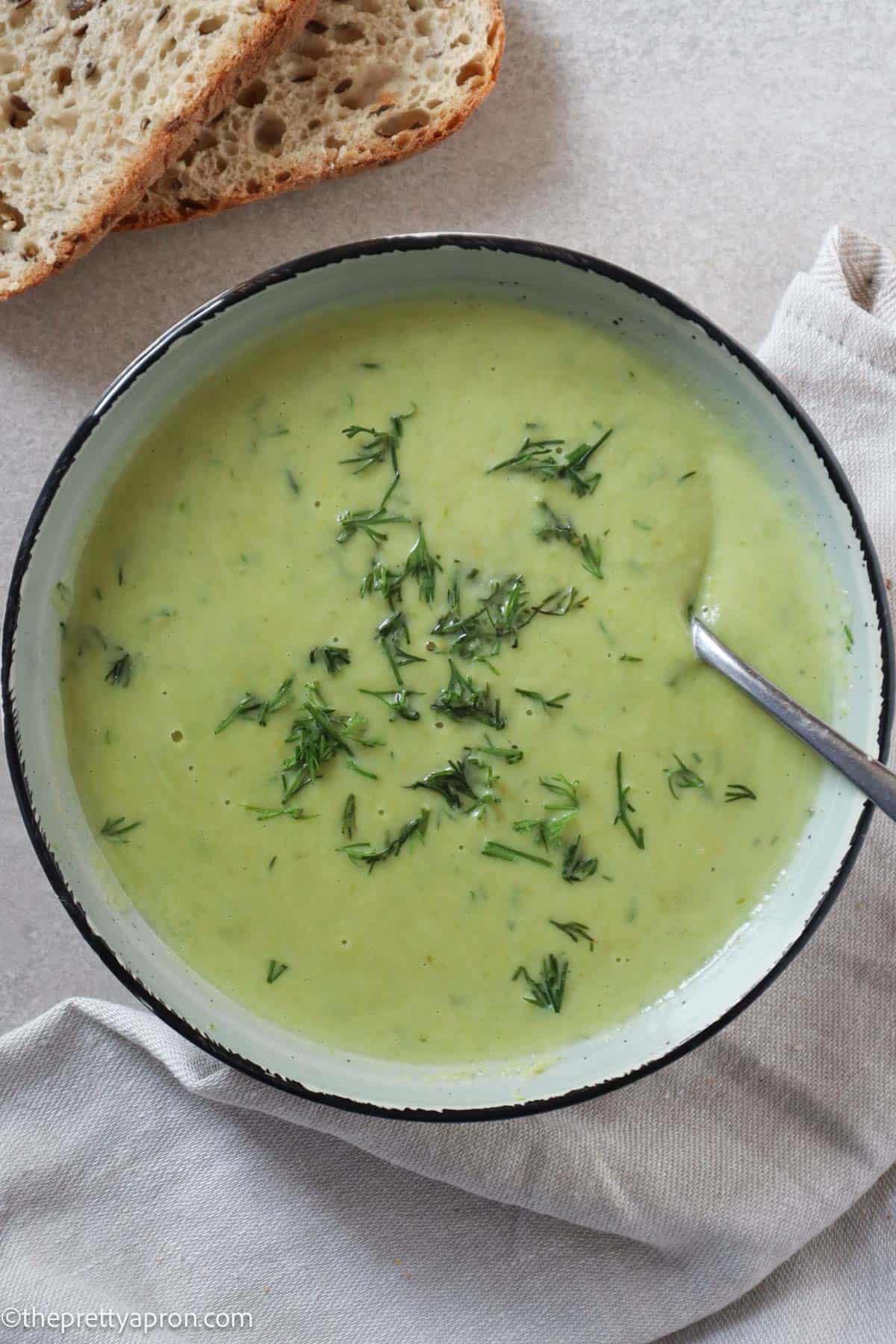
Baltic and Latvian recipes: some classics and some from my family. Chicken liver pâté, asparagus soup with dill, the kind of dishes that don’t show up in most English-language cookbooks. And the breakfast table: cottage cheese avocado toast, shrimp avocado toast, salmon cream cheese toasts.
European home cooking: because good home cooking doesn’t stop at the French and Latvian border. Recipes from other corners of Europe that I just had to make.
Desserts: Expect less sugar than you’re used to, so the fruit and chocolate actually taste like what they are. Classic French yogurt cake, Blueberry muffins, a chocolate chestnut log, rustic Latvian cheesecake. Once you’re used to it, overly sweet desserts start to taste almost bland. Trust me on this one. 😊
Vegetable sides: because in French and Baltic kitchens, we like our veggies. Asparagus soup with dill, French-style carrots and cucumber, roasted asparagus and carrots. Browse side dishes if that’s where you want to start.
Why The Lavender Apron?
My grandmother sewed her own aprons from light cotton, with deep pockets for handkerchiefs and dish towels. Lavender was my grandfather’s favorite color, and putting one on takes me straight back to her kitchen.
I also wear a beautiful lavender apron given to me by a friend of my son, a reminder that cooking with care is something you give to other people.
No professional studios. No AI images. Real recipes, a real kitchen, four children asking what’s for dinner.
If I can make it here, you can definitely make it too. I really hope you will!
Never cooked French or Latvian food before?
Start here: French quiche Lorraine if you want to feel properly French, or cottage cheese avocado toast if you want a taste of the Baltic breakfast table. Both are simple, both are delicious, and I promise you’ll want to make them again. Welcome! 😊
As seen in:

Frequently Asked Questions
French and Baltic home cooking, recipes from across Europe, and lower-sugar desserts. The kind of food that gets cooked in real European kitchens on ordinary days. Nothing restaurant-fancy. Just really good food.
Mostly from people. Mhy grandmother who grated everything by hand, my French mother-in-law who showed me how a meal should flow, and market vendors in Strasbourg who took the time to explain their produce. Le Cordon Bleu filled in the technical gaps, and I’m still using what I learned.
The small detail that makes an everyday dish feel a little bit special. Chestnuts in the roast chicken. Real cream in the quiche. Roasted seeds on the carrot salad. Nothing tricky. Just the touches that make food taste like someone really thought about it.
No. These are home cooking recipes, made for real kitchens. If I can make them in rural Australia with four children asking what’s for dinner, you can make them too.
European desserts traditionally use less sugar so you can actually taste the butter, the fruit, the chocolate. It’s a flavour decision, not a health one. Once you’re used to it, overly sweet desserts start to taste like they’re almost bland.